
In today’s fast-paced music production environment, many producers rely heavily on digital instruments, plugins, and massive sample libraries. Yet, even in this modern era of limitless possibilities, sampling old records…
In today’s fast-paced music production environment, many producers rely heavily on digital instruments, plugins, and massive sample libraries. Yet, even in this modern era of limitless possibilities, sampling old records continues to stand out as a powerful tool in beat-making and music production. Digging through vinyl or revisiting classic tracks provides textures and emotions that digital sound packs often struggle to replicate. From hip-hop legends to contemporary producers, this practice has shaped countless hits and remains central to music’s creative evolution. If you want inspiration from how sampling shaped rap greatness, exploring some of the best bun b songs offers a glimpse into how artistry and sampled soundscapes work hand in hand. Below are the top reasons why sampling old records still holds value in the digital age.
The Warmth of Analog Sound
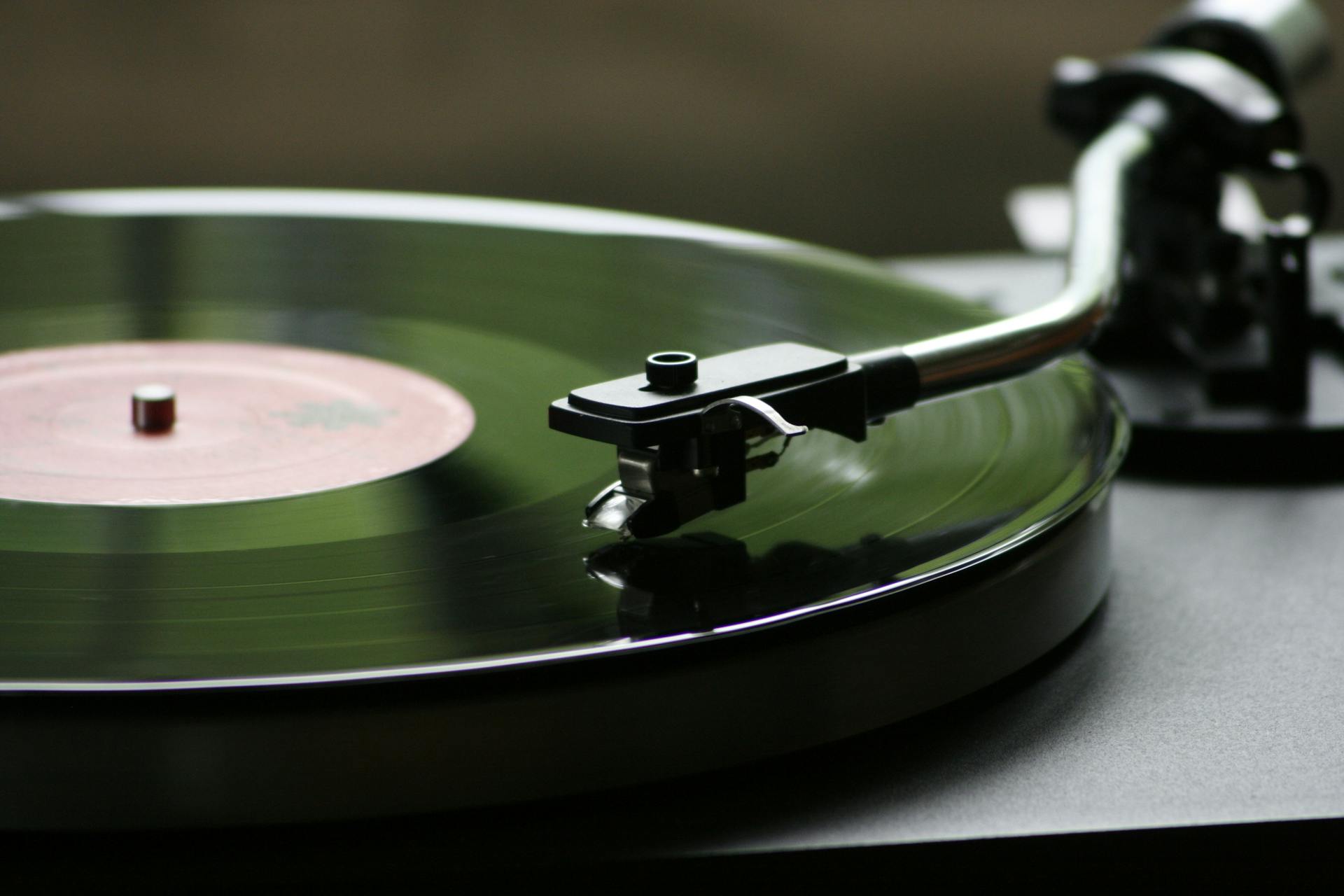
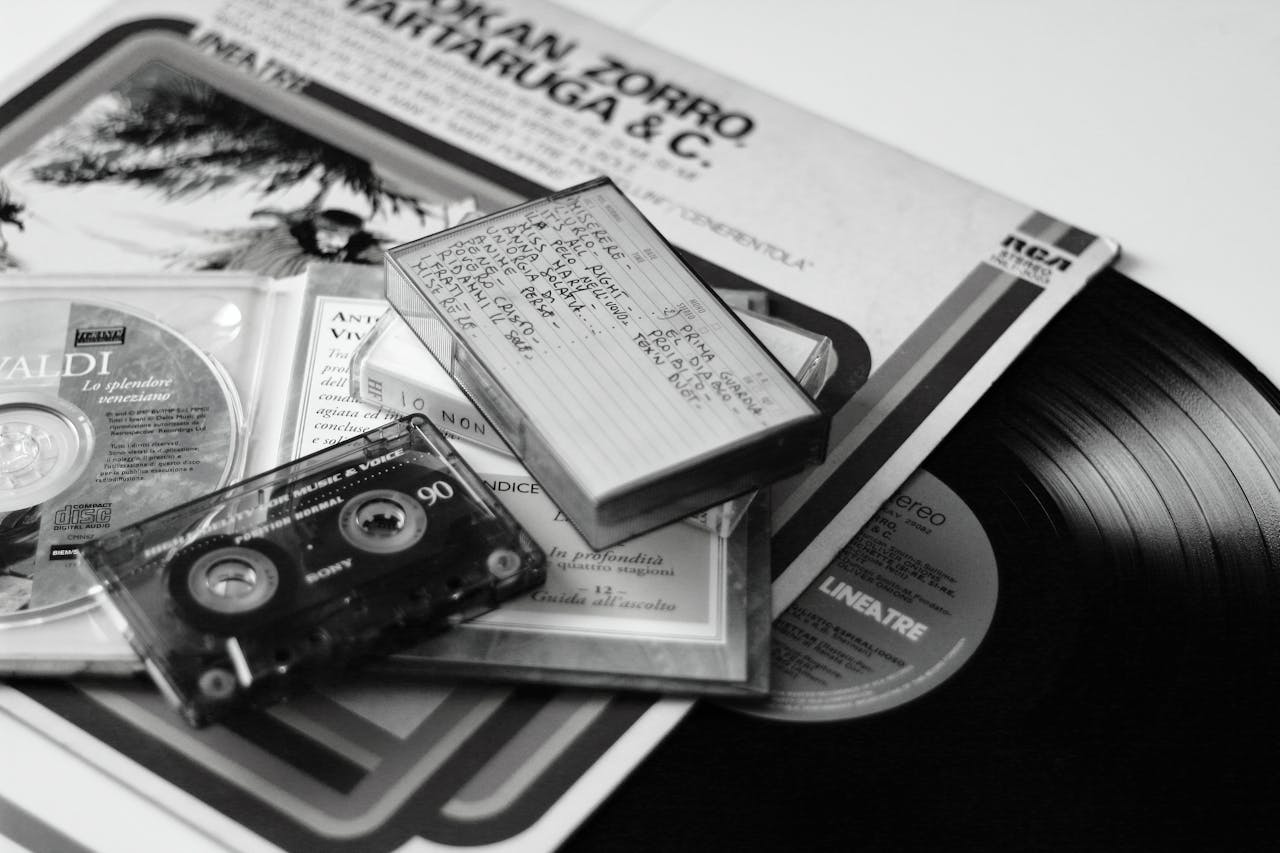 Digital production tools are powerful, but they often produce sounds that feel too clean or sterile. Old vinyl and tape recordings naturally carry imperfections like crackles, tape hiss, and subtle distortions. These tiny details inject warmth and authenticity into a track, making it feel alive. Many producers actively seek this analog texture because it adds character that software-generated sounds can’t fully mimic. By sampling from older records, artists access decades of authentic sound qualities that enrich their productions with depth and emotion.
Preserving Musical History
Sampling isn’t just about finding a good loop—it’s also a way of preserving and reintroducing music history to new audiences. Many iconic samples come from records that younger listeners may never have heard otherwise. When a beatmaker flips an old jazz, soul, or funk track into a modern hip-hop record, they are creating a bridge between generations. This practice keeps classic artists relevant, while allowing today’s music fans to experience sounds that might have otherwise been forgotten. For producers, it becomes both a creative and cultural responsibility: sampling keeps history alive while shaping the future.
Endless Inspiration Through Creativity
Sometimes inspiration doesn’t come from a blank slate but from reinterpreting something that already exists. Sampling old records provides endless creative starting points, whether it’s a dusty drum break, a haunting vocal riff, or a funky bassline. Producers often chop, pitch, and layer samples until they become completely new creations. What began as a small snippet can evolve into the foundation of a chart-topping track. This process fosters innovation, as musicians learn to hear possibilities in existing material and transform them into something fresh and personal. In many cases, these reimagined ideas push genres forward while keeping music grounded in its roots.
Adding Emotional Depth and Storytelling

Music isn’t only about sound—it’s also about emotion and storytelling. Old records often capture moments of raw feeling that can’t easily be recreated in a studio today. A sampled soul cry, a gospel harmony, or a blues guitar riff carries an emotional weight that resonates deeply with listeners. When producers weave these elements into modern beats, they aren’t just adding sound—they’re infusing their tracks with stories, struggles, and triumphs from the past. This emotional layering creates a sense of authenticity that connects music across time, making it feel more meaningful for both creators and audiences.
Expanding Musical Diversity
Sampling opens doors to genres and sounds that producers might not typically explore. An electronic producer might stumble upon a Brazilian bossa nova record and discover rhythms that reshape their approach to drum programming. A hip-hop artist might dig into psychedelic rock for eerie guitar textures. By pulling from diverse musical archives, sampling encourages experimentation and genre-blending. This process not only makes music richer but also challenges producers to think outside their usual influences, leading to groundbreaking soundscapes that set trends instead of following them.
While digital tools have made music production more accessible than ever, sampling old records remains a timeless and irreplaceable practice. Its ability to add analog warmth, preserve history, inspire creativity, carry emotional weight, and expand musical diversity ensures it will always have a place in modern beat-making. By digging into the past, today’s producers continue to craft sounds that resonate with both nostalgia and innovation, proving that sampling is not just a technique but an essential part of music’s ongoing story.…