
How Electric Vehicle Components Handle Increasing Thermal Loads

Electric vehicles rely on increasingly powerful electronic systems, and many components must manage substantial heat during operation. Power inverters, electric motors, batteries, and other high-load components face rising thermal demands as vehicle performance and charging capabilities evolve. The thermal interfaces in EV power electronics help transfer heat between components and cooling structures, supporting more effective thermal management where direct surface contact may be insufficient. The challenge is not simply removing heat, but maintaining suitable operating temperatures across systems that can experience rapid changes in electrical load. Understanding how these components respond to rising thermal loads offers useful insight into the engineering challenges of electric vehicle design and the importance of efficient heat management.
How Battery Systems Respond to Heat
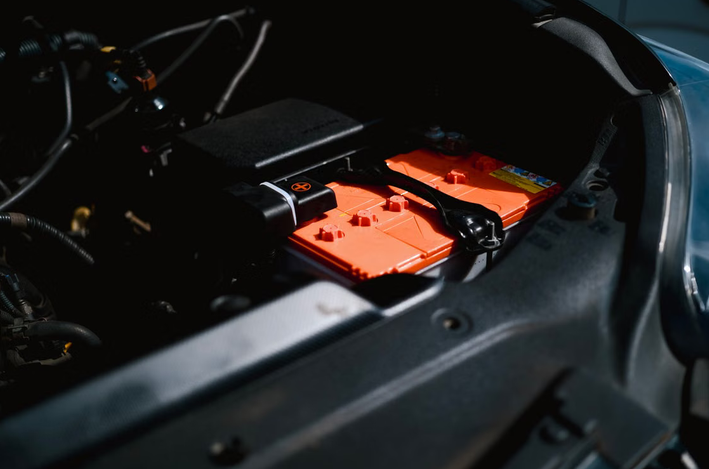
Battery cells are particularly sensitive to temperature because their electrochemical behavior changes with conditions. Excessive heat can accelerate unwanted chemical processes, while temperatures that are too low can affect charging and power delivery. Electric vehicles therefore use thermal management systems to keep battery temperatures within an appropriate operating range. Depending on the vehicle design, cooling may involve liquid circuits, air movement, heat exchangers, or a combination of approaches. Maintaining relatively consistent temperatures across cells also matters because uneven thermal conditions can cause differences in battery behavior.
Why Power Electronics Need Thermal Management
 Power electronics control the flow and conversion of electrical energy between the battery, motor, and other vehicle systems. Devices such as semiconductor switches can generate substantial heat when handling high currents and rapidly switching electrical power. Their compact size makes heat removal especially important because they can process considerable power in a relatively small area. Cooling systems can transfer heat from these devices toward larger thermal structures or coolant pathways. The connection between the semiconductor package and its cooling hardware consequently becomes an important part of the overall thermal design.
How Motors Manage Changing Heat Loads
Electric motors generate heat through electrical resistance, magnetic losses, and mechanical processes. The thermal load can vary significantly depending on speed, torque, and operating duration. Cooling arrangements may direct air or liquid around components that run hotter, including windings and other internal structures. The motor’s materials and construction also influence how heat spreads through the assembly. Effective thermal management allows the motor to operate within its intended temperature range while reducing the likelihood that excessive heat will affect performance or component longevity.
How Integrated Systems Balance Temperature
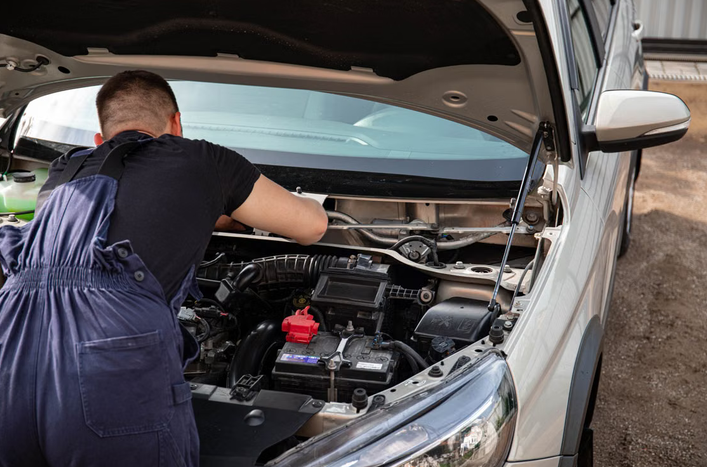
Modern electric vehicles often treat thermal management as a connected system rather than managing every component independently. Battery cooling, motor cooling, power electronics, cabin heating, and other thermal processes may share components such as coolant loops, pumps, valves, radiators, and heat exchangers. Control systems can adjust these pathways according to operating conditions and temperature measurements. This approach allows the system to distribute available thermal capacity according to changing demands. As vehicle power levels increase, coordinating these different heat sources and destinations becomes increasingly important.
Electric vehicle components handle increasing thermal loads through a combination of material design, cooling hardware, temperature monitoring, and coordinated thermal management. Batteries require controlled temperatures, power electronics need efficient pathways to remove concentrated heat, and motors must manage changing loads during operation. These systems can also interact through shared cooling circuits and control strategies. As electric vehicles process more electrical power, thermal management becomes increasingly integrated into the vehicle’s overall engineering, helping components operate reliably under changing driving and charging conditions.